the Region | 22 Oct 2025 | Andrea Manna
La storia

Courts of Protection: The Government Releases the Long-Awaited Message on Procedural Rules
Seventy-one articles to "ensure the proper functioning" of future judicial authorities. The bill now goes to the Grand Council for consideration.
Elaborate dalla Divisione giustizia del Dipartimento istituzioni con la consulenza dell’ex giudice Franco Lardelli, già presidente in seno al Tribunale d’appello della Camera di protezione, e poste in consultazione dallo stesso Dipartimento nel settembre 2024, sono ora formalizzate in un messaggio governativo. Si tratta delle norme volte a disciplinare in Ticino l’attività delle future Preture di protezione nel settore delle tutele e delle curatele.
Il Consiglio di Stato ha varato il relativo progetto di legge all’indirizzo del parlamento. Settantuno gli articoli confezionati dall’Esecutivo. La legge, si spiega nel messaggio, è “destinata a garantire il corretto funzionamento delle Preture di protezione”. Una legge, indica il primo articolo, che “regola l’applicazione delle norme del Codice civile (Cc) in relazione ai procedimenti in materia di protezione del minore e dell’adulto. Essa disciplina le norme di procedura cantonali complementari a quelle federali previste dagli articoli 443–450g Cc. Disciplina pure le norme cantonali di applicazione della legge federale sul rapimento internazionale dei minori e sulle convenzioni dell’Aia sulla protezione dei minori e degli adulti del 21 dicembre 2007”.
In the background the reform (to be implemented)
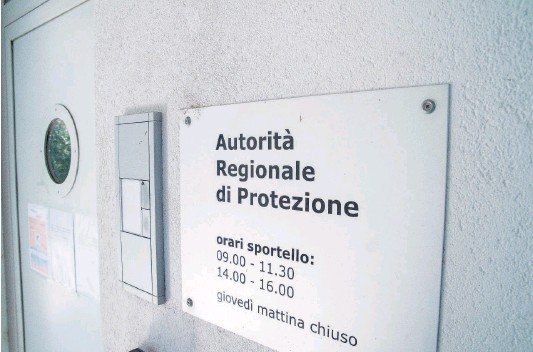
The long-awaited message, as the Executive recalls, is part of the reform of protection authorities. This reform includes the introduction of ad hoc courts, the Preture di Protezione (Protection Courts), with the consequent elimination of the sixteen Arp (Regional Protection Authorities), whose operations are currently the responsibility of the municipalities. This represents a shift from an administrative model to a judicial one anchored in the Ticino Constitution, following the outcome of the referendum of October 30, 2022, with a full 77.5 percent of voters in favor of the "cantonalization" of the system. The judicial model is in favor, but the new organization still needs to be implemented. The (planned) reform primarily aims to improve, through the Preture di Protezione (Protection Courts), the quality of decisions regarding measures for individuals, adults or minors, who have become vulnerable and therefore require protection. These protection measures can impact the fundamental rights and freedoms of those receiving them. So much so that we talk about guardianships, curatorships, placements, deprivation of parental authority, regulation of visiting rights, hospitalizations for assistance purposes... .
"The bill on child and adult protection procedure," the government writes in the statement announcing the release of the message, "strictly adheres to the dictates of federal law." The bill "takes into account, in particular, the specifics of cantonal law, the most up-to-date developments in doctrine and case law, the authoritative recommendations of the Conference of Cantons on Child and Adult Protection (COPMA), as well as the experience of the cantons that have established a judicial organization for protection authorities." In short, "a legislative text consolidated in detail following a broad consultation involving around one hundred stakeholders in the child and adult protection sector." The message "constitutes a further concrete step in the important reform of protection authorities, enshrined in the amendment to the cantonal Constitution, enthusiastically approved by the Ticino people in 2022, aimed at creating protection courts, new cantonal judicial authorities to replace the current regional protection authorities, which are headed by the municipalities." The reform "represents one of the most important projects launched in the justice system of the Canton of Ticino," the government further emphasizes.
Zali: collaborative climate with the commission
Il messaggio del Consiglio di Stato vede la luce a pochi giorni dall’audizione, lunedì scorso, da parte della commissione parlamentare ‘Giustizia e diritti’, del consigliere di Stato Claudio Zali, nuovo titolare nel governo post arrocchino del dossier sulla riorganizzazione delle autorità di protezione, e della responsabile della Divisione giustizia Frida Andreotti. Come detto, il disegno di legge sottoposto in consultazione è stato messo a punto in collaborazione con il già giudice d’Appello Lardelli. «Colgo l’occasione per ringraziarlo del lavoro certosino che ha fatto, sincronizzando le norme del diritto federale con le norme cantonali di procedura oggetto dell’attuale messaggio – dichiara Claudio Zali, interpellato dalla ‘Regione’ – È stato così allestito una sorta di manuale completo a uso delle future Preture di protezione». Nel disegno di legge, evidenzia il consigliere di Stato, «si precisano anche i diritti procedurali delle parti, come ad esempio il diritto di essere sentito. Chiarezza e prassi unificata sono fra i pregi di questa legge cantonale, che è la benzina che permetterà alle Preture di protezione di funzionare in maniera corretta».
In Gran Consiglio prima del plenum toccherà alla commissione ‘Giustizia e diritti’ esprimersi sul progetto di legge appena licenziato dall’Esecutivo. Commissione nella quale, rammenta il suo presidente Alessandro Mazzoleni (Lega), «ci si sta ora occupando degli aspetti organizzativi e finanziari della riforma, tenuto conto anche di quanto scaturito dalla recente audizione di Zali. Spero che il progetto di rapporto della ‘Giustizia e diritti’ sui citati aspetti e quindi sul messaggio governativo del 2021 concernente la proposta di istituire le Preture di protezione, accolta l’anno seguente dal Gran Consiglio e dal popolo, possa essere discusso e affinato nella prossima riunione commissionale, in agenda per lunedì 10 novembre». Già, il popolo. Sono passati quasi tre anni dal risultato delle urne. «Più il tempo passa e più il voto dei cittadini richiama i politici alla necessità di risolvere i problemi e di applicare finalmente questa riforma. Credo che questo sia uno dei punti che abbiamo condiviso in commissione. Durante l’audizione ho respirato un clima collaborativo e percepito dalle forze politiche rappresentate nella ‘Giustizia e diritti’ la volontà di andare avanti. Ciò lascia ben sperare».